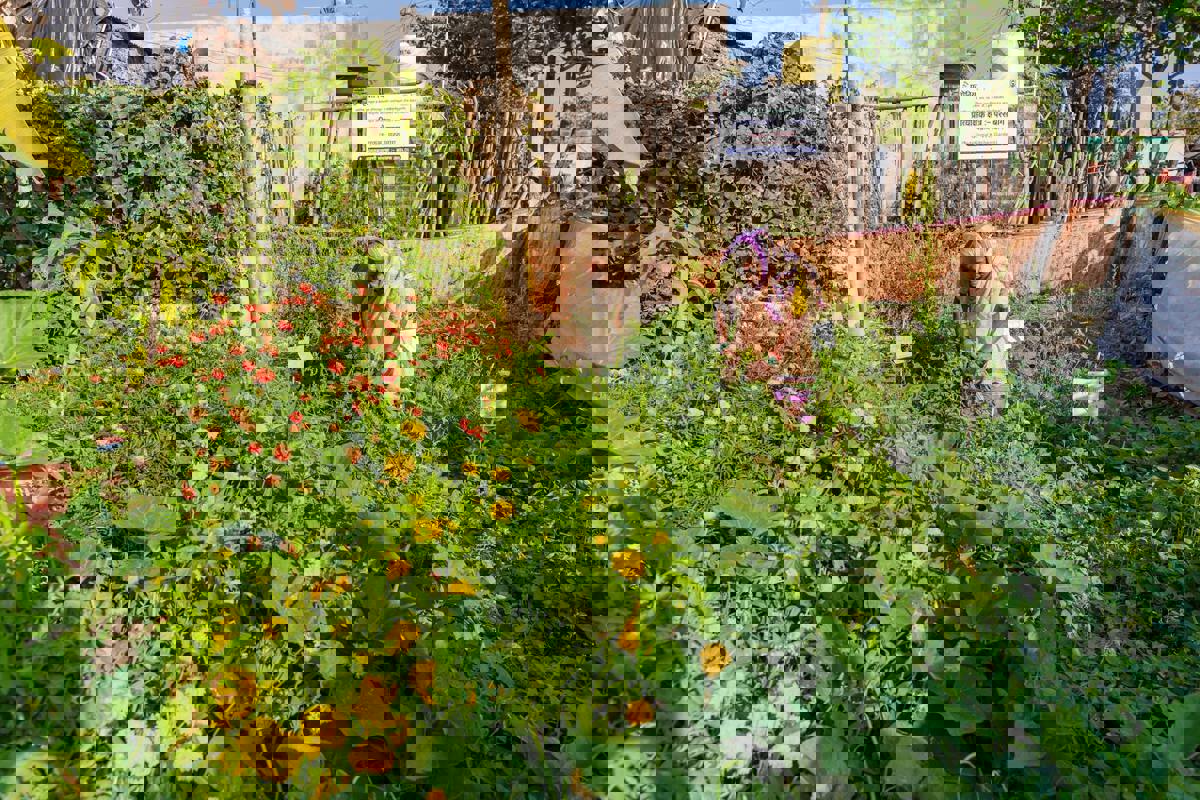
A flourishing community garden project is transforming the lives of local residents, empowering them to cultivate their own fruit and vegetables in a shared green space. Spearheaded by dedicated volunteers, the initiative welcomes people of all ages and backgrounds, offering a place to learn, collaborate, and reconnect with nature. As urban lifestyles often limit access to gardening, such opportunities are proving increasingly valuable in contemporary communities.
Launched early last spring, the garden's inception came after months of planning between volunteers, resident associations, and local authorities. The site, once an underused public plot, was cleared and prepared with the help of dozens of neighbours. Raised beds, compost bins, and water collection systems were installed, ensuring sustainable operation and accessibility for participants of various physical abilities.
The response from the community has been overwhelmingly positive. Kate Williams, a volunteer coordinator, remarked, “Watching people discover the joys of growing their own food has been immensely rewarding.” She added that participants range from children taking their first steps in gardening to retirees sharing decades of horticultural experience, creating a rich and supportive environment.
Workshops form a cornerstone of the garden's offering. Subjects include soil health, organic pest management, crop rotation, and composting, delivered by local horticultural experts and agricultural college students. These sessions not only teach practical skills but also foster a culture of environmental responsibility among attendees, helping them make informed decisions about sustainable gardening at home and in shared urban spaces.
Beyond producing healthy food, the garden also addresses wider issues of food insecurity. According to data from the Food Foundation, nearly one in ten UK households struggled to access enough nutritious food in the past year. By facilitating local food production, the community garden directly alleviates pressure on food banks and supports families in reducing grocery bills.
Social benefits have quickly become apparent alongside the obvious nutritional gains. Long-term resident Martin Davies noted, “This garden has brought our neighbourhood closer together. We have conversations and friendships that would never have started otherwise.” Regular communal workdays and seasonal harvest events have helped foster this sense of togetherness, cultivating both plants and human connections.
Inclusivity is a guiding principle for the project. Raised beds accommodate those with mobility challenges, while translated materials and multilingual signage ensure everyone in the diverse neighbourhood can participate. Special efforts have also been made to welcome assisted living residents and young people, with targeted activities to build confidence, skills, and a sense of belonging.
The environmental impact of the garden is another tangible achievement. Volunteers have planted pollinator-friendly flowers and shrubs, encouraging bees, butterflies, and birds to thrive. A rainwater harvesting system reduces the garden’s reliance on mains water, and composting initiatives divert food scraps from landfill. Together, these measures contribute to a greener, more resilient urban ecosystem.
Looking ahead, organisers are planning to partner with local schools and healthcare providers. Educational programmes around nutrition and healthy living are being discussed, and there is hope that gardening can be integrated into wellbeing initiatives for those dealing with stress or mental health challenges. Such collaborations underscore the garden’s potential as a hub for positive change across multiple aspects of community life.
As the growing season unfolds, enthusiasm for the project shows no signs of waning. Residents eagerly anticipate the next harvest and the opportunity to try new crops. With continuing support from local businesses and a steady stream of volunteers, the community garden stands as a testament to the power of collective action, demonstrating how shared green spaces can nurture both people and the environment for years to come.