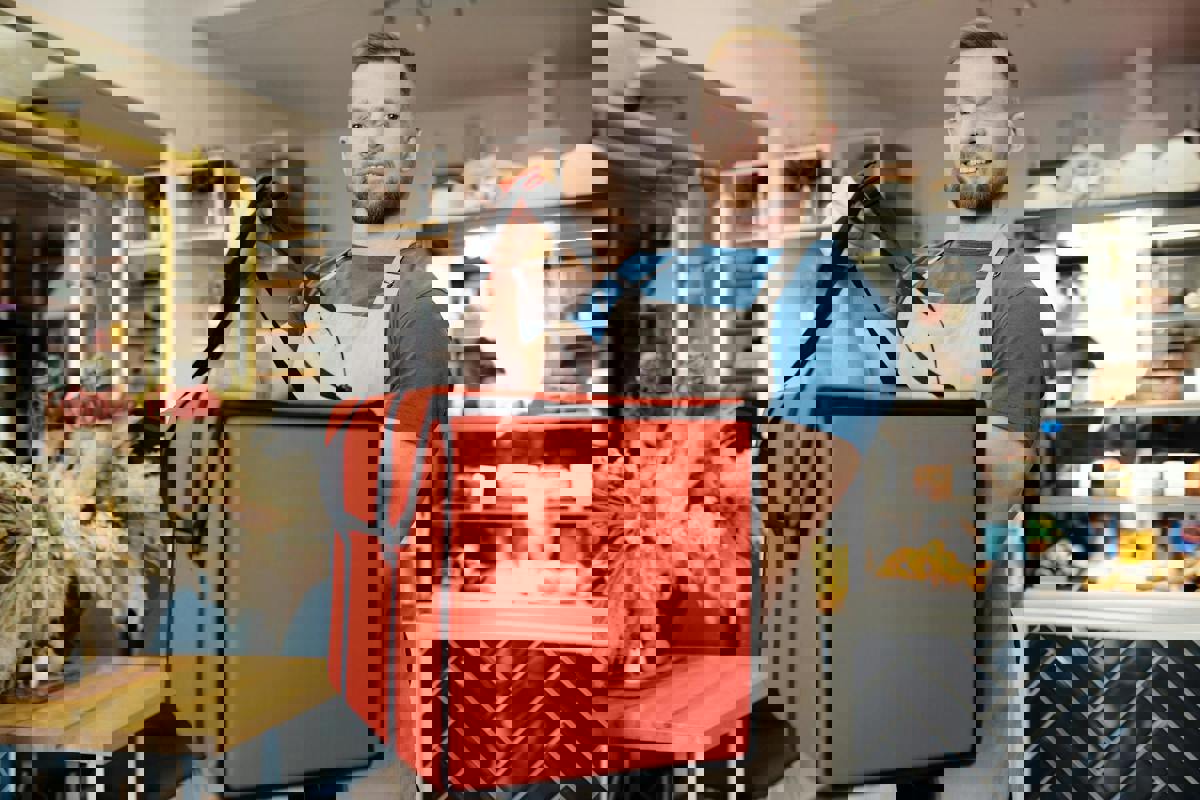
Family-owned bakeries across the United Kingdom are experiencing an unexpected renaissance as more residents seek out traditional pastries and homestyle breads. In recent years, a noticeable trend has emerged, with consumers turning away from mass-produced goods in favour of local, artisanal products. This surge in popularity comes amid a broader movement to support small businesses and rediscover the comforting flavours of time-honoured recipes handed down through generations.
Industry experts attribute this revival to a growing appreciation for authenticity and craftsmanship in food. "People are seeking out high-quality, handmade items – and traditional bakeries offer exactly that," explains food analyst Robert Jennings. The distinct textures and flavours of handmade pastries often cannot be replicated by factory-produced alternatives, encouraging customers to revisit bakeries that prioritise quality over quantity in their baking processes.
The COVID-19 pandemic played a surprising role in driving this shift, as lockdowns sparked a renewed interest in home cooking and baking. Many discovered a newfound appreciation for the work involved in these trades. When restrictions eased, customers were eager to support the local bakeries that had continued to serve their communities, further boosting foot traffic and loyalty to these establishments in a post-pandemic landscape.
Owners of small bakeries report an uptick in both regular and first-time customers, with some family-run shops seeing sales increase by as much as 30% over the past year. According to the British Bakeries Association, the number of independent bakeries has grown by 12% since 2021, bucking the prior trend of closures and consolidations. This resurgence highlights the resilience and adaptability of small food businesses even during challenging economic conditions.
One central factor in this trend is the emphasis on traditional recipes, with bakeries baking everything from crusty sourdoughs to spiced Chelsea buns. "Our family has been using the same Cornish pasty recipe for over eighty years," says Sarah Ellis, co-owner of Ellis & Sons Bakery. "Customers can taste the difference, and they appreciate the stories and heritage behind each item on our shelves."
Local sourcing of ingredients has also played a key role in enhancing the appeal of family-owned bakeries. Many bakeries have strengthened relationships with nearby mills and farms to secure high-quality flour, butter, and eggs. This not only ensures freshness and superior taste but also supports the broader local economy, creating a virtuous cycle that benefits farmers, bakers, and customers alike.
Social media and digital marketing strategies have allowed even the smallest bakeries to reach a wider audience. Platforms like Instagram and Facebook have become powerful tools for showcasing daily specials, behind-the-scenes baking, and customer testimonials. These digital touchpoints draw in younger generations who might otherwise gravitate toward chain supermarkets, creating a new wave of loyal patrons for traditional bakeries.
Seasonal treats and limited-edition bakes are another factor in attracting repeat custom. Many bakeries now introduce unique offerings through the year – from mince pies at Christmas to hot cross buns at Easter. This rotating menu keeps customers engaged and excited, encouraging them to return regularly to see what’s new, which further differentiates local bakeries from their larger, less flexible counterparts.
Bakeries have responded to increased demand by investing in updated equipment and expanded product lines, while still maintaining their core commitment to tradition. This balance between innovation and preservation is crucial, according to industry observers. By adapting to changing tastes while staying true to their heritage, family-owned bakeries can remain relevant and profitable in a rapidly evolving food market.
Beyond the products themselves, customer service has proven to be a significant draw for small bakery businesses. Regular visitors are greeted by name, and staff often share tips or anecdotes about their baked goods. This personal touch contrasts sharply with the impersonal nature of big-box retailers, fostering a sense of community that keeps customers coming back.
For many bakery owners, succession planning has become a priority as interest in the trade grows among younger family members. Apprenticeships and on-the-job training mean traditional skills are being passed down, ensuring that recipes and methods survive. This generational continuity provides stability and distinctiveness in a sector often shaped by fleeting trends and rapid turnover.
Environmental concerns also factor into the appeal of traditional bakeries. These businesses often pride themselves on minimising waste through careful planning and smaller batch sizes, with unsold products frequently donated to local charities at the end of each day. Packaging is increasingly compostable or recyclable, appealing to eco-conscious consumers and strengthening the bakery’s reputation for responsible business practices.
Looking ahead, industry analysts predict that the momentum behind family-owned bakeries will continue, fuelled by a confluence of nostalgia, quality, and a desire for community connection. As more Brits embrace the value of traditional recipes and homemade treats, these bakeries stand poised not only to thrive but to shape the future of the nation’s culinary landscape, one loaf at a time.