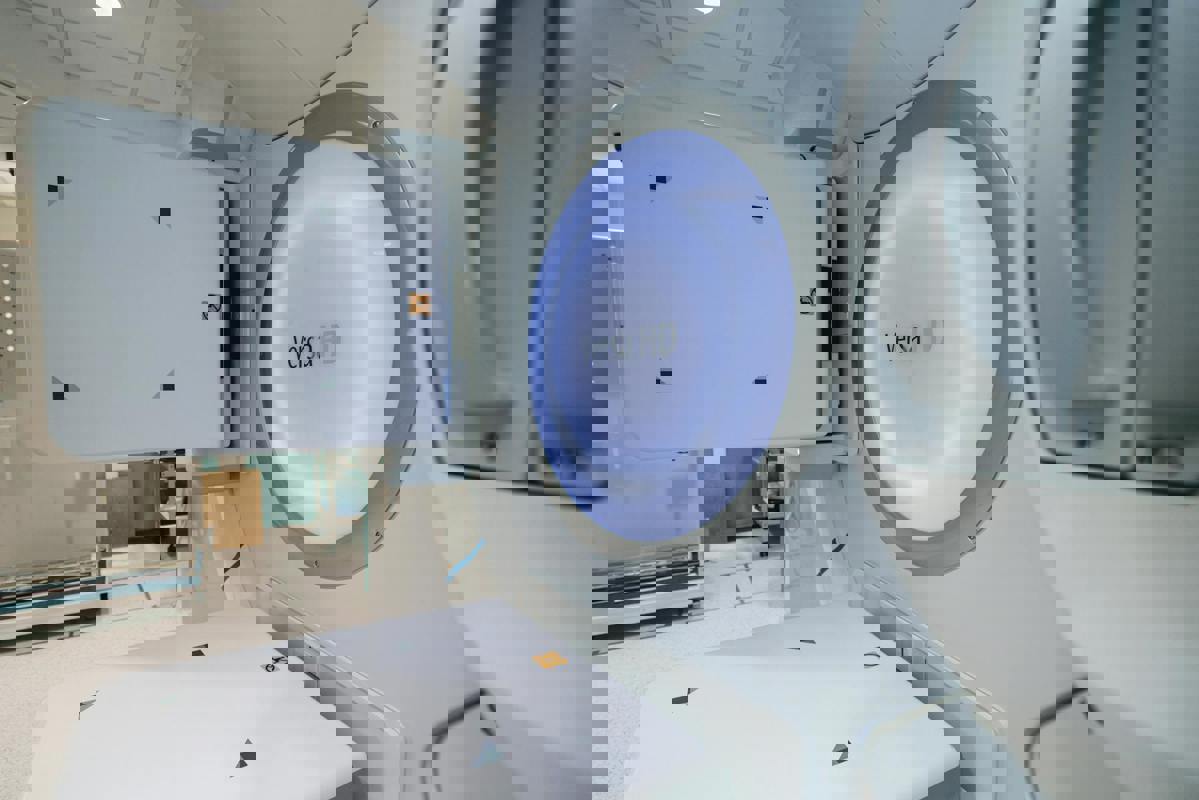
A landmark development in healthcare has arrived with the unveiling of a new advanced cancer treatment facility at the local hospital. The state-of-the-art technology promises to deliver cutting-edge therapies and significantly improve outcomes for cancer patients in the area. The launch marks a major step forward in accessible, effective care for those battling cancer, which remains one of the leading health concerns nationally and globally.
This innovative facility introduces advanced radiotherapy equipment that utilises the latest in imaging and treatment precision. The technology is designed to target tumours with unparalleled accuracy, reducing damage to surrounding healthy tissue and minimising side effects. Hospital officials highlight that such advancements drastically improve patient quality of life during and after treatment, offering hope to many diagnosed with challenging forms of cancer.
For the first time in the region, the hospital’s oncology team can provide Proton Beam Therapy, a treatment previously only available in a handful of specialist centres across the United Kingdom. Proton Beam Therapy represents a quantum leap in cancer care, focusing beams of protons rather than traditional X-rays, allowing for more targeted destruction of tumour cells. Patients will be able to receive world-class care without the need to travel far from home.
NHS Trust Chairperson Dr. Emily Carter expressed her enthusiasm at the facility's opening ceremony, stating, “This new treatment centre is a testament to our commitment to providing the best possible care locally. We are proud to offer therapies that improve survival rates and reduce the treatment burden for our patients and their families.” Her remarks underscore the broader community impact anticipated from this facility.
In addition to radiotherapy, the centre is equipped with a comprehensive suite of diagnostic and support services. From advanced imaging modalities, such as PET-CT and MRI, to psychological counselling and nutritional advice, the facility offers holistic care designed to address both the physical and emotional challenges of cancer treatment. Such comprehensive services are increasingly recognised as crucial for optimal patient outcomes.
The investment in the facility was made possible through a combination of NHS funding and substantial grants from national cancer charities. Over £10 million has been channelled into procuring equipment, training staff, and retrofitting the hospital’s infrastructure. Hospital administrators believe this financial backing will bring long-term benefits to the community, elevating cancer care standards well into the future.
Cancer survivor Janice Morris, one of the first patients scheduled for treatment in the new centre, shared her perspective: “It’s incredibly reassuring to know that the latest technology is now available right here. Travelling for treatment was a huge burden, and now I can focus on getting better close to my family and friends.” Her sentiments echo those of many patients previously facing long commutes for specialist care.
Leading oncologist Dr. Raj Patel, who will oversee the clinical implementation, explained, “Precision therapies like Proton Beam Therapy not only increase the likelihood of eradicating cancer, but also lower the risk of long-term side effects. This is especially important for young patients and those with cancers close to critical organs.” He added that the facility’s multidisciplinary team will tailor treatments for each patient’s needs.
With the introduction of these advanced therapies, the hospital expects to offer treatment to over 1,000 patients annually, a significant increase from previous years. The centre will also operate as a training hub for junior doctors, radiographers, and medical physicists, fostering a new generation of healthcare professionals adept in cutting-edge technologies. Officials state that this educational function is essential for sustaining high-quality care locally.
Local health watchdogs and patient advocacy groups have welcomed the development, urging continued investment and expansion of innovative cancer care. “This centre sets a benchmark for others, demonstrating what is possible when the NHS and charitable organisations collaborate,” commented Anna Rees, director of a regional cancer support charity. She also praised the hospital’s efforts in making treatment more accessible for marginalised communities.
In anticipation of growing patient numbers, the hospital has recruited additional oncology nurses, radiographers, and counsellors. A series of training workshops and simulations were held to ensure staff are proficient with the new technology before commencing live treatments. Such robust preparation reflects the hospital’s emphasis on patient safety and the importance of delivering care to the highest possible standard.
The hospital has not overlooked the infrastructural necessities that accompany such a leap in medical capability. To accommodate increased footfall and ensure comfort for patients and their loved ones, the facility now features upgraded waiting areas, dedicated consultation rooms, and private spaces for sensitive discussions. The environment has been intentionally designed to feel welcoming and supportive, reflecting the hospital’s holistic approach to care.
As the doors of the advanced cancer treatment centre officially open, optimism and gratitude permeate both the hospital staff and the wider community. The facility stands as a beacon of progress in regional healthcare, offering fresh hope to cancer patients and their families. Its impact will likely be felt for years to come, representing a transformative chapter in the fight against cancer and a testament to the community’s dedication to medical excellence and compassion.